
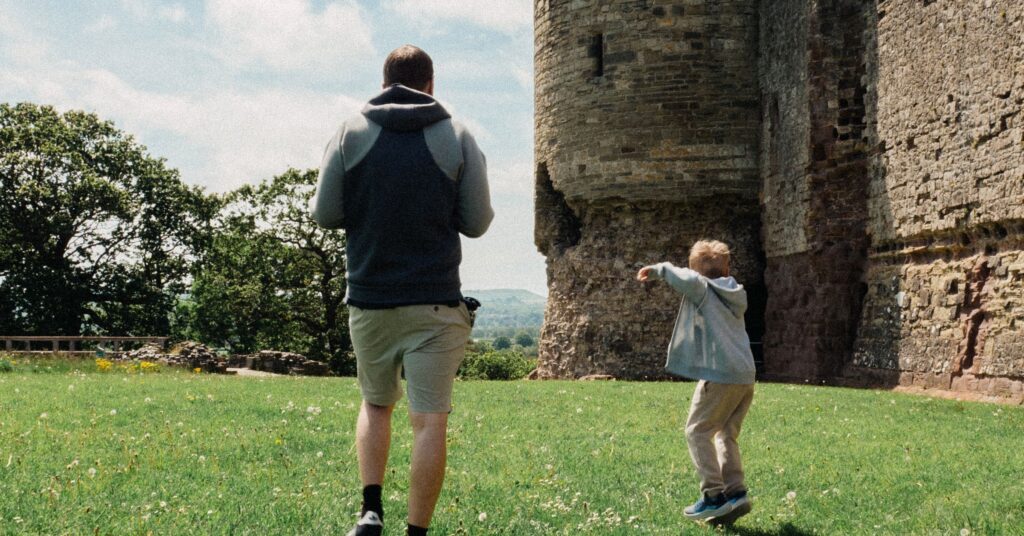
If you manage a family attraction in Wales, your biggest revenue opportunity is not acquiring new visitors. It is bringing back the families who have already walked through your gates. Understanding how to increase repeat visits at your family attraction in Wales is the single most effective growth lever available to you. Returning families cost less to reach. They also spend more per visit, and they refer others without prompting.
In fact, Wales presents a distinctive challenge here. Families have an unusually wide spread of choice across a relatively small population base. For example, castles sit near Caernarfon and Conwy, farm parks cluster around Pembrokeshire, and adventure sites fill Eryri (Snowdonia). As a result, a single great visit is rarely enough on its own. You need a structured reason for that family to come back, rather than try somewhere new next half-term.
This guide explains practical strategies to increase repeat visits at your Wales family attraction. It covers interactive experiences, structured loyalty incentives, and seasonal marketing designed for this region.
Why Wales Families Rarely Return After Their First Visit
The one-visit problem is common across the UK. However, three factors make it particularly sharp in Wales.
First, the geography works against repetition. Families near Cardiff, Swansea, or Wrexham are often an hour or more from any single attraction. A day trip already represents a real commitment. Therefore, when that commitment is repeated, families frequently choose a different site altogether. They might pick the Gower coast one month and the Brecon Beacons (Bannau Brycheiniog) the next, simply to make the most of the drive.
Second, many Wales attractions do not capture visitor contact details during the first visit. Without an email address or phone number, your only route back to that family is paid advertising. In addition, you are competing for attention against every other Welsh attraction. You are also competing against the free coastline and mountains that make up so much of the country's appeal.
Third, the outdoors is free and everywhere. Beaches, forests, and national parks are woven into daily life in Wales. Consequently, a paid attraction has to offer something the landscape cannot. If your site delivers a complete experience with nothing left to finish, there is no reason to return before the memory fades. For a broader look at loyalty and retention strategies across the UK, read our guide on how to increase repeat visits at your family attraction UK-wide.
Interactive Trails That Drive Return Visits at Your Wales Family Attraction
Interactive trails are one of the most effective tools for turning a single visit into an ongoing relationship. A well-designed trail or treasure hunt achieves two things simultaneously. It extends dwell time on the first visit, and it creates a specific reason to come back.
Here is how the mechanism works. A family completes a trail during their visit and earns a digital reward upon finishing. The reward — typically a voucher or unlockable content — has a limited redemption window of four to eight weeks. Consequently, the family has a concrete, time-bound reason to return before the offer expires.
Digital trail platforms take this further by rotating trail content seasonally. Each visit offers a fresh challenge. As a result, returning families encounter genuinely new experiences rather than repeating the same route. Furthermore, different voucher types can be distributed based on completion behaviour. A family that finishes the full trail earns a higher-value reward than one that stops halfway.
This connects directly to the goal-gradient effect from behavioural psychology. Similarly, people feel more motivated to complete a journey when they can see progress. Therefore, a trail with visible milestones — "6 of 10 stations found" — naturally encourages full completion. Full completion triggers the reward, and the reward triggers the return visit.
For Wales attractions, trails offer a particular advantage. Because families travel a genuine distance to reach you, a longer redemption window gives them time to plan a proper return trip. In addition, bilingual trail content — Welsh and English clues on the same route — adds a distinctive touch few competitors offer. This can become a reason families recommend your site to others. For more, see our guide on turning activities into experiences.
How to Design a Voucher Scheme That Actually Drives Return Visits
Generic discounts rarely change family behaviour. A blanket "10% off your next visit" erodes margin without creating urgency. In contrast, structured incentive schemes produce measurable results because they combine reward with a deadline.
Consider these principles when designing your loyalty approach for a Wales audience:
-
Tie rewards to engagement, not just attendance. A voucher earned through trail completion feels more valuable than a freebie handed out at the exit gate. The same applies to a voucher earned through a survey response or a social media check-in.
-
Create urgency with redemption windows. Set a six-to-eight-week window for each reward. Without a deadline, vouchers sit forgotten in a drawer. Because many Wales visitors travel some distance, a longer window gives them a realistic chance to redeem it.
-
Offer experiences rather than discounts. A behind-the-scenes tour, a priority queue pass, or a free craft activity often drives more return visits than a percentage off the ticket price. These feel exclusive, and families cannot compare them against a free walk along the coast path.
-
Use progressive tiers. Offer a small reward on the second visit and a larger one on the third. This applies the goal-gradient effect directly. The closer families get to the bigger reward, the more motivated they become.
-
Track everything. If your vouchers show low redemption, the offer is not compelling enough. Adjust the value, the urgency window, or the delivery method accordingly.
Off-Peak Marketing: Filling the January Gap at Your Wales Family Attraction
Wales experiences pronounced seasonal swings. Summer holidays and half-terms drive the bulk of annual revenue. Meanwhile, January and February are often near-silent for many attractions, especially outdoor and coastal sites. However, off-peak months represent your biggest opportunity for loyalty-driven growth.
The mix of local Welsh families and cross-border visitors from England gives Wales attractions a distinct off-peak opportunity. Local families do not need a holiday to justify a visit. A wet Saturday afternoon is enough, provided there is something indoors and engaging on offer. As a result, off-peak campaigns targeted at families within an hour's drive can fill quiet days that would otherwise go empty.
In January, launch a "Winter Discovery" trail. Send a follow-up email to December visitors inviting them back for a new seasonal challenge available only that month. Because the trail content is fresh, it feels like a new experience rather than a recycled version of the summer visit.
For February half-term, bundle standard entry with an indoor interactive experience. A treasure hunt combined with a hot drink voucher creates a compelling package on a cold, wet Welsh afternoon. In addition, offer a "bring a friend" incentive that turns your existing visitors into referral agents.
Term-time marketing also deserves attention. Home-educating families across Wales's valleys and coastal towns actively search for weekday activities. This community also shares recommendations readily through local Facebook groups. Therefore, a dedicated term-time membership or discounted weekday pass creates a reliable revenue stream outside school holidays. Furthermore, timing a special trail to coincide with Welsh cultural events — an Eisteddfod, a county show, or a coastal festival — captures families who are already out for the day.
When an Online Interactive Trail Platform Makes Sense for Your Wales Attraction
If you currently use paper trails, you already understand the concept. However, a digital platform unlocks capabilities that paper simply cannot match. In fact, it represents one of the most practical ways to increase repeat visits at any family attraction in Wales.
A digital interactive trail platform lets you update trail content without reprinting materials. It automates voucher distribution at the point of completion, and it tracks visitor behaviour across multiple visits. It also provides a direct communication channel with families who have already engaged with your attraction. This includes the option to run bilingual Welsh and English content from the same system.
For attractions competing against Eryri, the Brecon Beacons, and miles of free coastline, the economics are straightforward. A single return visit generated by a trail voucher pays for the platform many times over. In addition, the visitor data reveals whether families are local regulars or longer-distance visitors. Consequently, you can tailor follow-up marketing to each group. According to the Association of Leading Visitor Attractions, repeat visitation is an increasingly important driver of resilience for mid-sized UK attractions. This makes retention tools like digital trails a sound long-term investment.
Want to see how interactive trails can drive repeat visits at your attraction?
The Online Interactive Trail and Treasure Hunt Platform turns your trails into a return-visit marketing engine. Families complete digital challenges, earn vouchers automatically, and receive follow-up prompts to visit again. It works for farm parks, heritage sites, zoos, and indoor play centres.
See How the Interactive Trail Platform Works
Managing an attraction elsewhere in the UK? See our guides for increasing repeat visits in the South West, the Midlands, and the North West.
Frequently Asked Questions
How quickly can interactive trails increase repeat visits at a Wales family attraction?
Most attractions see measurable results within one to two seasonal cycles. The first step is capturing visitor contact details through trail registration. Once you have that data, follow-up campaigns can begin driving return visits within weeks. Because many Wales visitors travel further than in dense urban regions, allow a slightly longer window before judging results.
What type of family attraction benefits most from digital trails?
Any attraction with a physical site that families walk through benefits from trails. Castles, farm parks, wildlife centres, coastal attractions, country parks, and indoor play centres all work well. The key requirement is simple: the site needs enough space and points of interest to support a trail with eight to twelve stations.
How do I measure whether my repeat-visit strategy is working?
Specifically, track three metrics. These are voucher redemption rate, email opt-in rate from trail registrations, and the percentage of visitors who return within twelve months. Also monitor off-peak attendance separately, because repeat visitors disproportionately fill quiet periods. Off-peak growth is therefore a strong signal that your strategy is working.
Should I offer bilingual Welsh and English trail content?
Yes, where practical. Furthermore, bilingual content signals genuine local relevance. It can also differentiate your attraction from competitors who only offer English-language materials. It costs little to add once a digital platform is in place, and it often becomes a talking point families mention when recommending your site to others.
How does a digital trail platform compare to a paper trail?
Paper trails are inexpensive but limited. They cannot capture visitor data, automate rewards, rotate content seasonally, or track engagement. A digital platform handles all of these automatically. In addition, digital trails generate the visitor contact details that power your follow-up marketing — the single most important input for driving repeat visits.
Free: Loyalty Loop Starter Kit
Get a 2-minute loyalty quiz, 5 plug-and-play email templates, and a simple offer planner — everything you need to turn visitors into regulars.
No spam. Unsubscribe any time.