
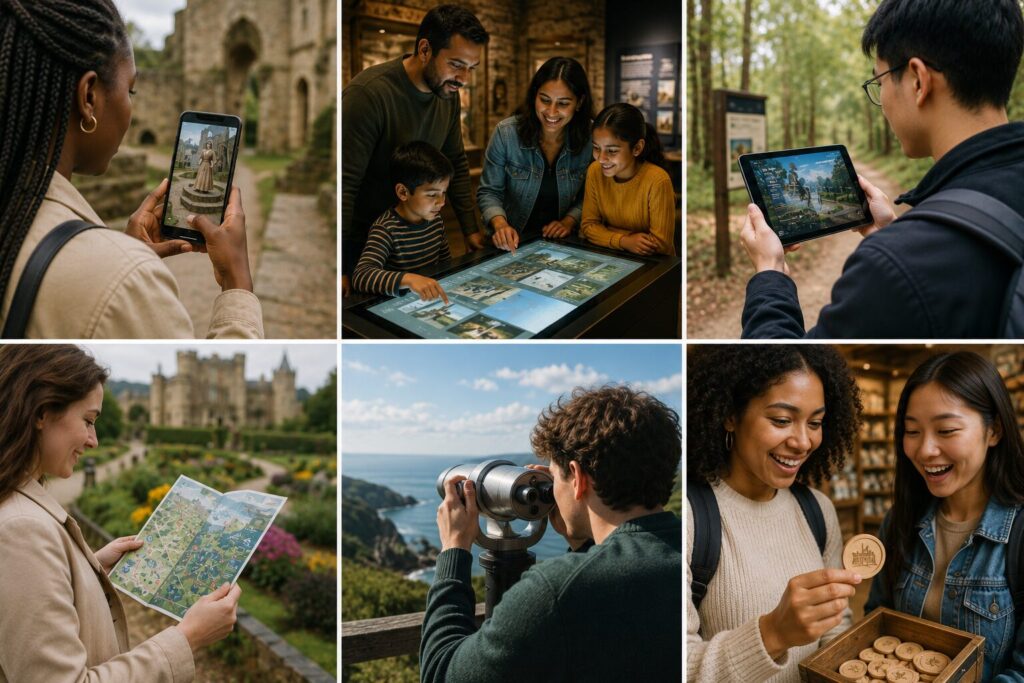
If you run a small visitor attraction, you already know that footfall alone doesn't pay the bills. The real challenge is turning casual visitors into loyal fans who come back, spend more, and tell their friends. These visitor attraction ideas are designed specifically for smaller venues — farm parks, local museums, heritage sites, and family-run destinations — where budgets are tight but creativity is unlimited.
In fact, the best interactive experiences don't require massive investment. They require smart thinking. Below you'll find ten practical, budget-friendly ideas you can start implementing this month.
1. Self-Guided Trail With a Twist
Trail sheets are a staple, but most are forgettable. Therefore, give yours a narrative. Create a mystery trail where visitors solve clues at each station, or build a character-led adventure where families follow a storyline through the site.
A simple printed trail costs almost nothing to produce. However, the perceived value is high — especially when you offer a small reward at the end, such as a sticker or badge. This also encourages visitors to explore areas they might otherwise skip.
2. Seasonal Scavenger Hunts
Scavenger hunts work because they tap into a basic human instinct: the thrill of the search. Rotate them seasonally so repeat visitors always have a reason to return.
For example, a spring wildflower hunt at a heritage site or a harvest-themed challenge at a farm park keeps your offering fresh without any capital expenditure. Similarly, themed hunts around school holidays give families a specific reason to choose your venue over competitors.
3. Hands-On Craft Stations
Craft activities are among the most effective family attraction activities you can offer. A simple drop-in table with seasonal crafts — leaf printing in autumn, seed planting in spring — adds dwell time and creates a memorable takeaway.
Keep materials low-cost and prep minimal. Parents value the downtime while children stay engaged, and that translates directly into longer visits and higher spend at your cafe or gift shop. ## 4. "Ask the Expert" Sessions
If you have knowledgeable staff or volunteers, put them front and centre. Short, informal talks — a farmer explaining lambing season, a curator sharing the story behind an artefact — create moments visitors can't get anywhere else.
These sessions don't need a stage or a microphone. Consequently, they cost nothing beyond staff time. Moreover, they position your attraction as an authentic, knowledge-rich destination rather than just a day out.
5. Interactive Digital Quizzes
A simple QR code on a sign can link to a mobile-friendly quiz about your site. This is one of the most underused museum engagement ideas available, and it works equally well at outdoor venues.
You can build basic quizzes for free using tools like Google Forms or Typeform. As a result, there's virtually no barrier to entry. Visitors love competing with each other, and you collect valuable data about engagement patterns at the same time.
6. Photo Opportunity Spots
Dedicated photo spots with frames, props, or backdrops encourage social sharing. This is free marketing for your venue — every Instagram post or Facebook share puts your attraction in front of new audiences.
Specifically, think about what makes your site unique and build a photo moment around it. A vintage tractor seat at a farm park, a throne at a castle, or a specimen display at a museum all give visitors a reason to stop, snap, and share. Include your venue name or hashtag on the backdrop for maximum reach.
7. Voting and Feedback Walls
Give visitors a voice with a simple voting wall. "Which animal should we name?" or "What should our next exhibition be about?" — these low-tech interactions make people feel invested in your attraction.
Furthermore, the data you gather is genuinely useful for planning. You learn what your audience cares about while simultaneously making them feel part of the community. A chalkboard or sticky-note wall is all you need to get started.
8. Sensory Exploration Stations
Touch tables, smell boxes, and sound stations work brilliantly for all ages. They're particularly valuable for accessibility — offering multi-sensory experiences means more visitors can fully engage with your site.
On the other hand, many small attractions overlook sensory experiences because they seem complex. In reality, a "mystery box" where children guess objects by touch, or jars of herbs and spices to smell and identify, costs almost nothing to set up and generates genuine excitement.
9. Mini Workshops and Demonstrations
Short, bookable workshops — butter making, pottery painting, or nature journaling — create a premium experience you can charge for. This turns a standard visit into an event and opens up an additional revenue stream.
Keep sessions to 20-30 minutes so they're manageable for small teams. Also, promote them in advance through your email list and social channels to drive pre-booked visits. Pre-booking is valuable because it gives you predictable footfall on quieter days. ## 10. Loyalty and Collector Programmes
Give visitors a reason to come back with a stamp card, collector programme, or "passport" system. Each visit earns a stamp, and a completed passport unlocks a reward — free entry, a gift shop discount, or an exclusive experience.
Because this mechanic is proven across retail and hospitality, it translates naturally to visitor attractions. The cost per stamp card is negligible, but the impact on repeat visits can be significant. In addition, collector programmes create urgency: visitors want to complete the set before the season ends.
Making These Visitor Attraction Ideas Work For You
The common thread across all ten ideas is simplicity. None of these require major investment, specialist technology, or large teams. They do require intentionality — choosing the ideas that fit your venue, testing them, and refining based on visitor feedback.
Start with two or three ideas that align with your existing strengths. Measure the impact through dwell time, repeat visit rates, and secondary spend. Then layer in additional experiences as you learn what resonates with your specific audience.
Small visitor attractions have an advantage over large theme parks: authenticity. Visitors choose you because you offer something personal and genuine. These interactive experiences amplify that strength rather than trying to compete on scale.
The attractions that thrive are the ones that keep evolving. Pick an idea, try it this weekend, and see what happens.
Want to Turn Day Visitors Into Loyal Regulars?
I design interactive trails, digital treasure hunts, and visitor engagement tools for family attractions across the UK. Bespoke solutions built around your venue, your storylines, and your seasonal calendar — not off-the-shelf templates.
Free: Loyalty Loop Starter Kit
Get a 2-minute loyalty quiz, 5 plug-and-play email templates, and a simple offer planner — everything you need to turn visitors into regulars.
No spam. Unsubscribe any time.